

A 1,700 square foot attic where the original insulation had quietly flattened out over the years. It went back up to depth with blown-in — and the finished level was measured and photographed right across the attic, not just at the hatch.
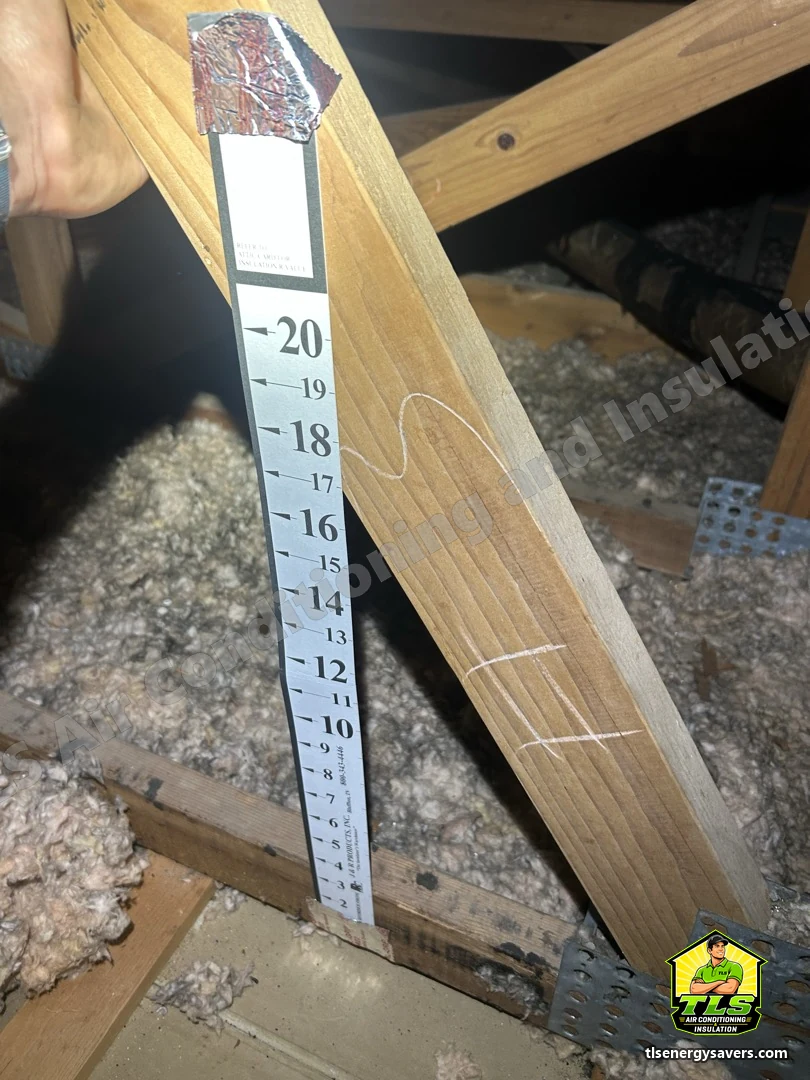
Attic insulation does not fail. It settles. Blown-in material that went down at the right depth years ago compresses under its own weight, drifts away from the edges, and ends up sitting lower than the day it was installed — without ever looking broken.
That matters more in Lee County than almost anywhere. The attic is the single largest heat load on a Florida house: sun on the roof deck all day, an attic running far hotter than the rooms below, and one layer of insulation between the two. When that layer thins, the air conditioner is the thing that makes up the difference, every afternoon, for years.
This job came through the Florida Power & Light residential insulation programme, which is how a lot of these attics finally get looked at.
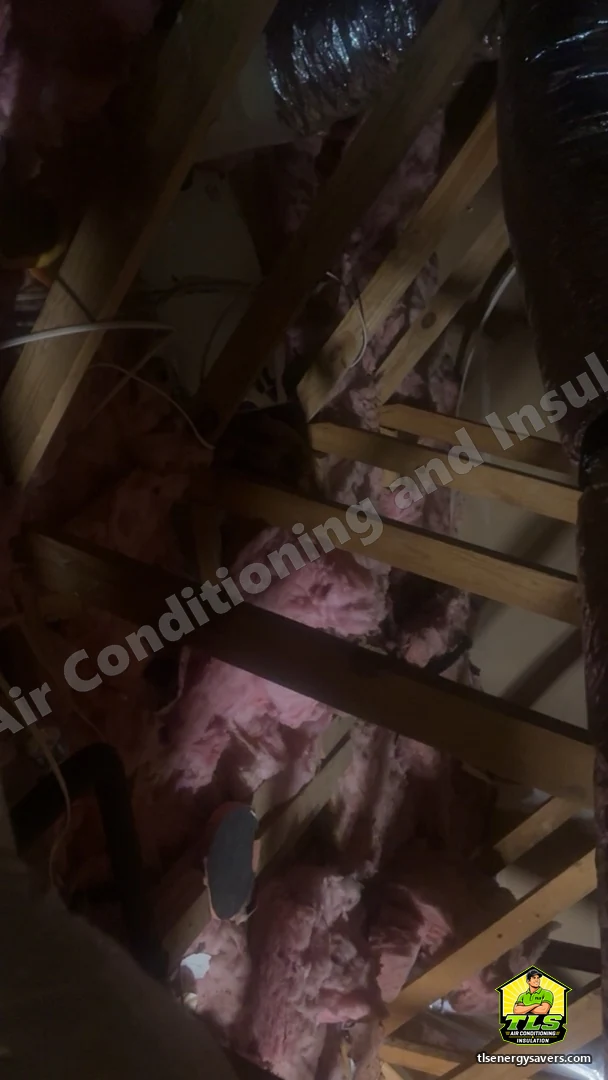
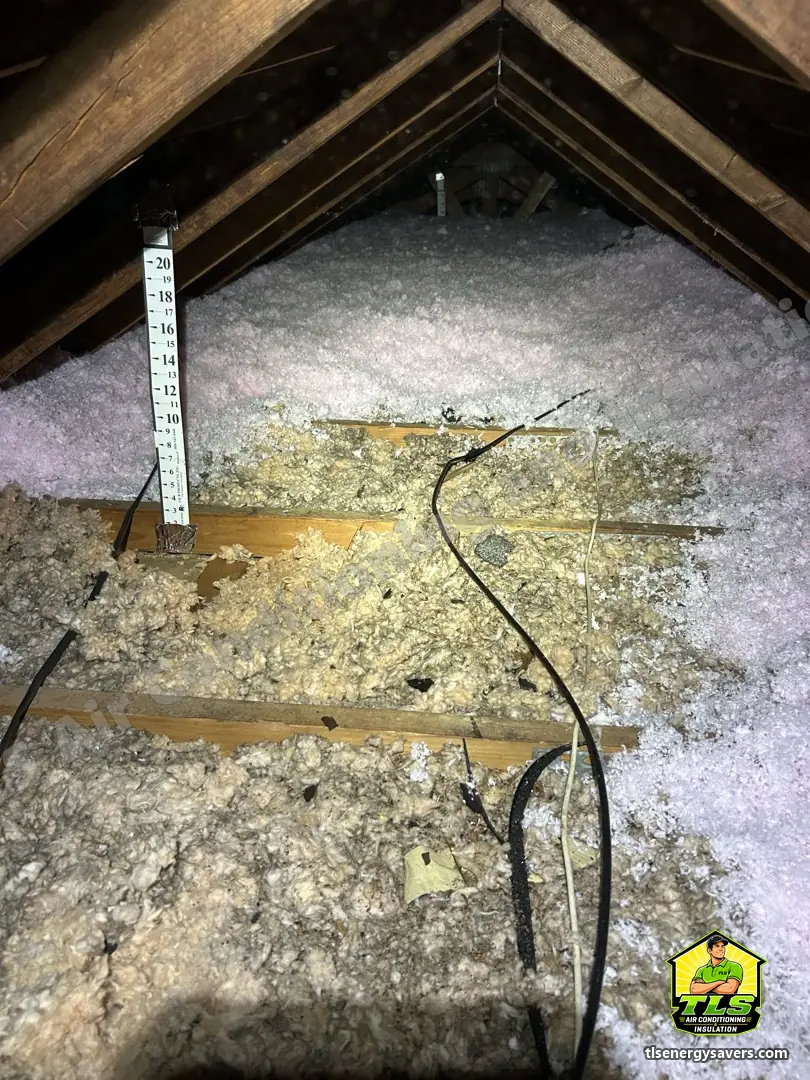
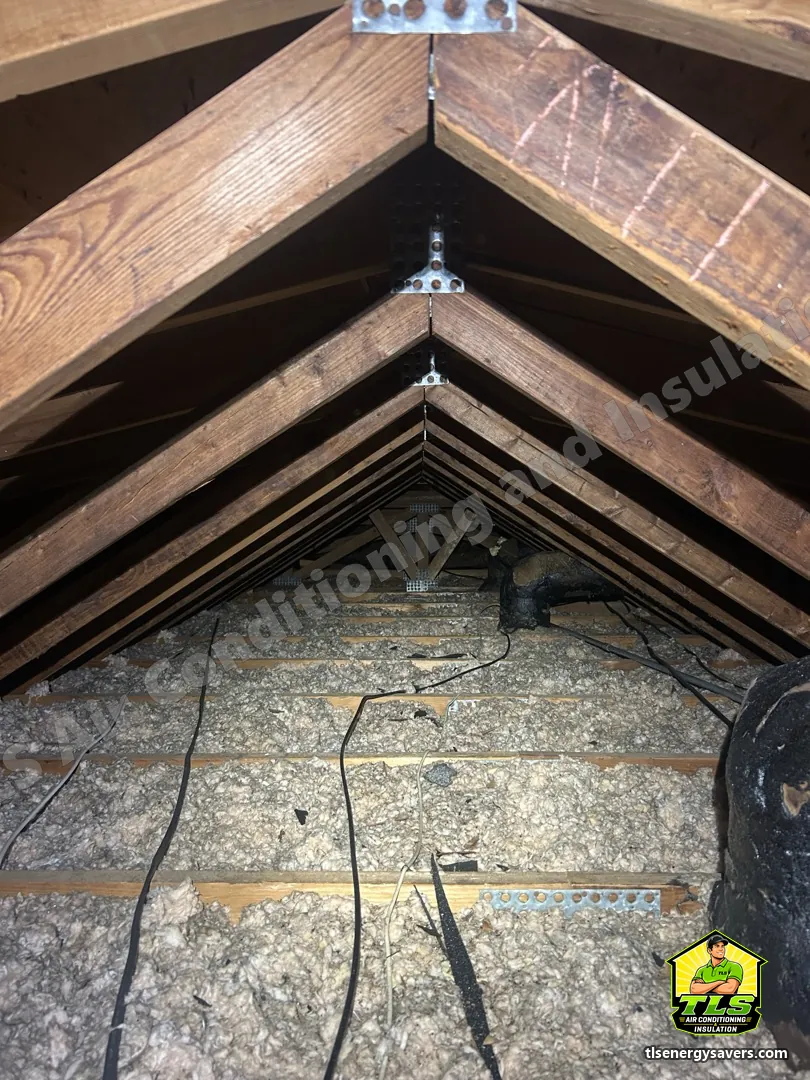
The original insulation was still there and still doing something — just not enough of it. Across the open runs it had thinned and packed down between the joists, and in the low-clearance sections near the eaves it had drifted thinner still.
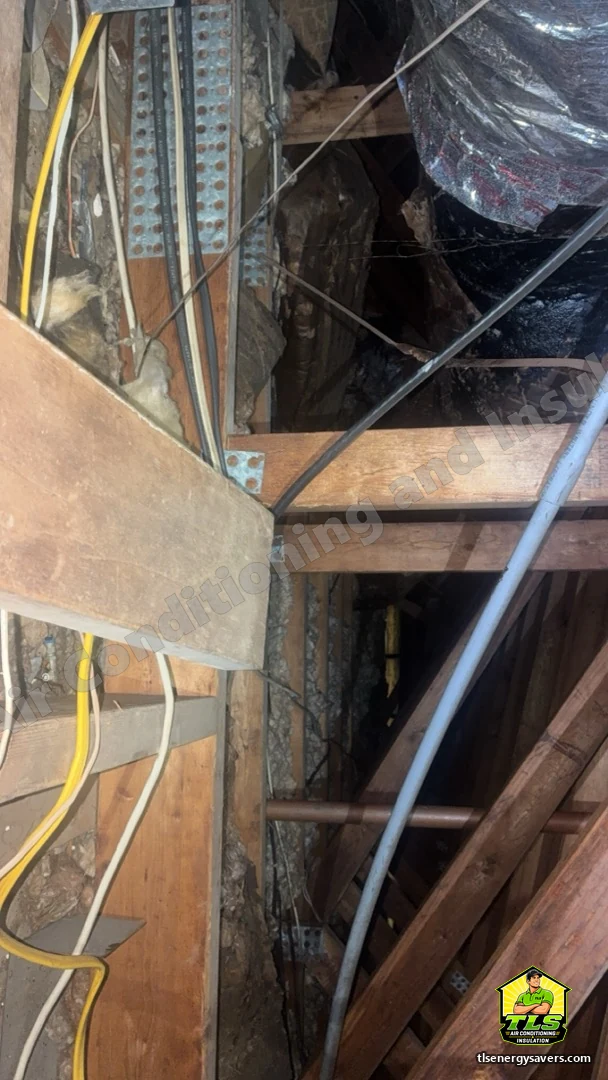
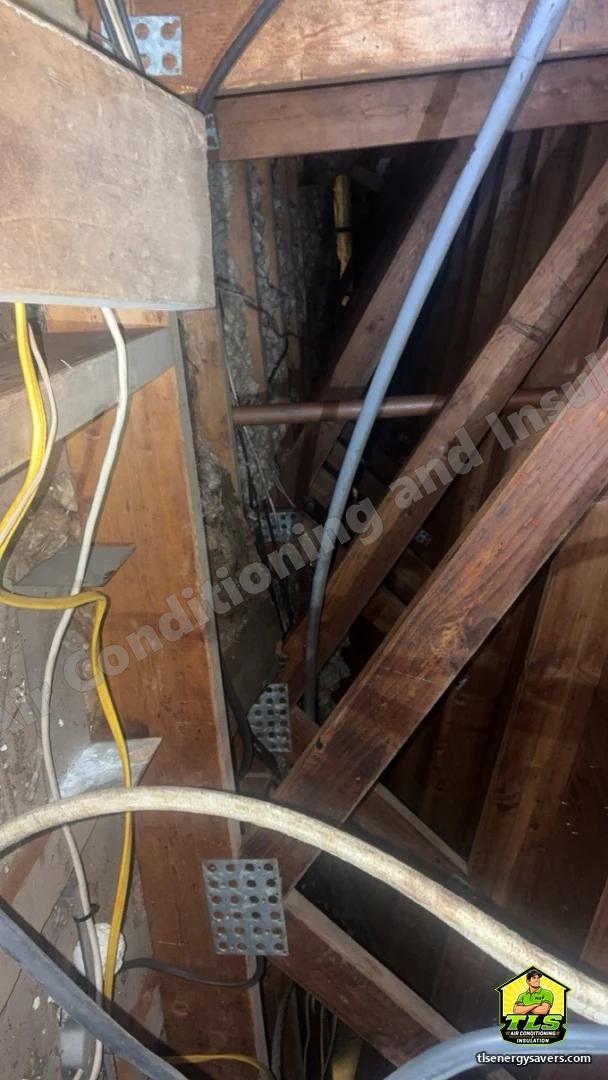
Around the wiring runs and the recessed light housings it sat lower and more unevenly, which is normal: those are the places where material gets disturbed and never quite goes back. They are also the places heat finds first.
Nothing here was a defect. This is simply what an attic looks like after a couple of decades, and it is the reason a top-up is a different job from a repair — there is nothing to fix, only a level to restore.
Blown-in insulation across the full 1,700 square feet, carried out to the eaves rather than stopping where the crawl gets tight.
That last line is the one worth reading twice. A blown-in job is sold by depth, and depth is the one thing a homeowner cannot check afterwards without climbing into their own attic with a ruler.
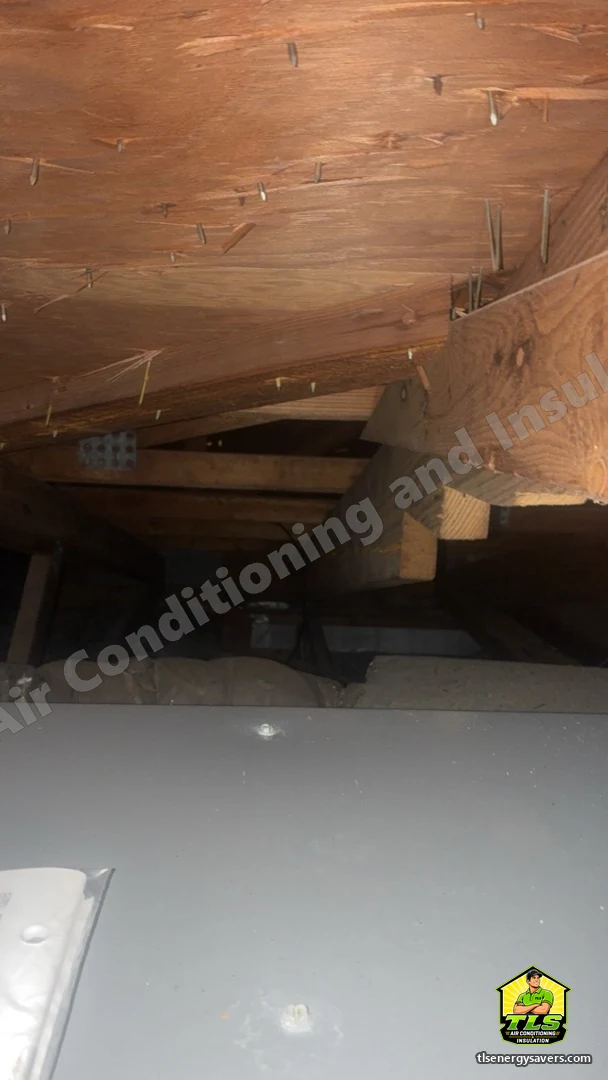
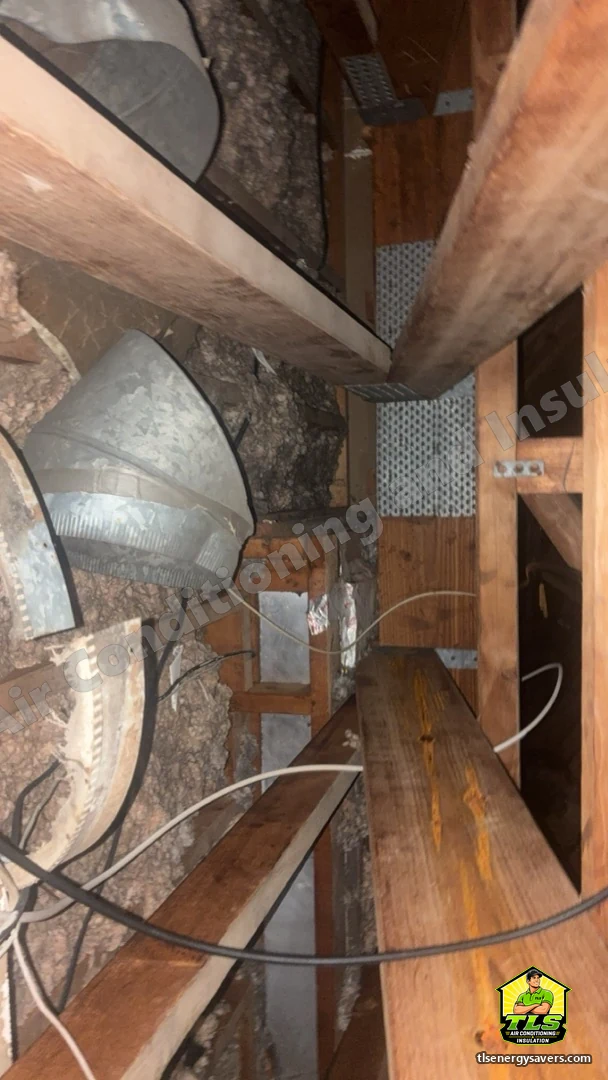
So we put the ruler in ourselves, in several places, and photographed it — at the open runs, at the roof edge, between the trusses and at the far side of the attic. If the level is right in all four, it is right. The photos below are that record, not a sample of the best corner.
Sixteen photos taken on site in October 2026. Click any photo to open it full size. Homeowner details have been removed; the neighbourhood and ZIP have not.
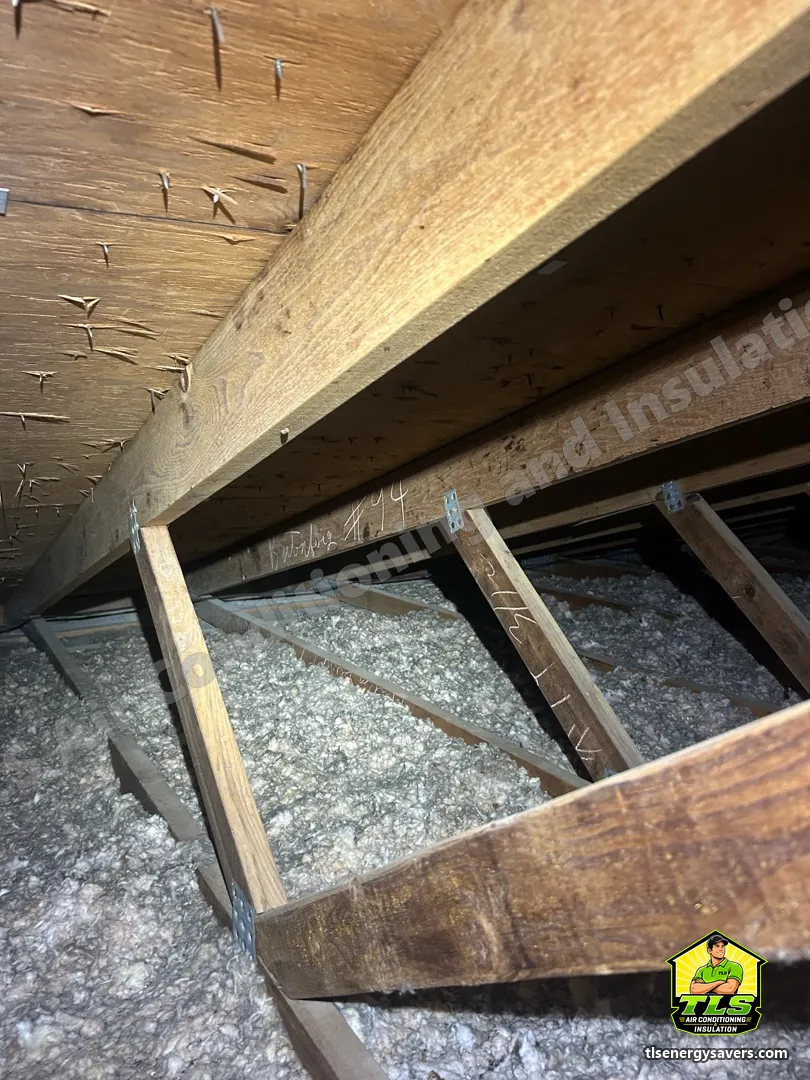
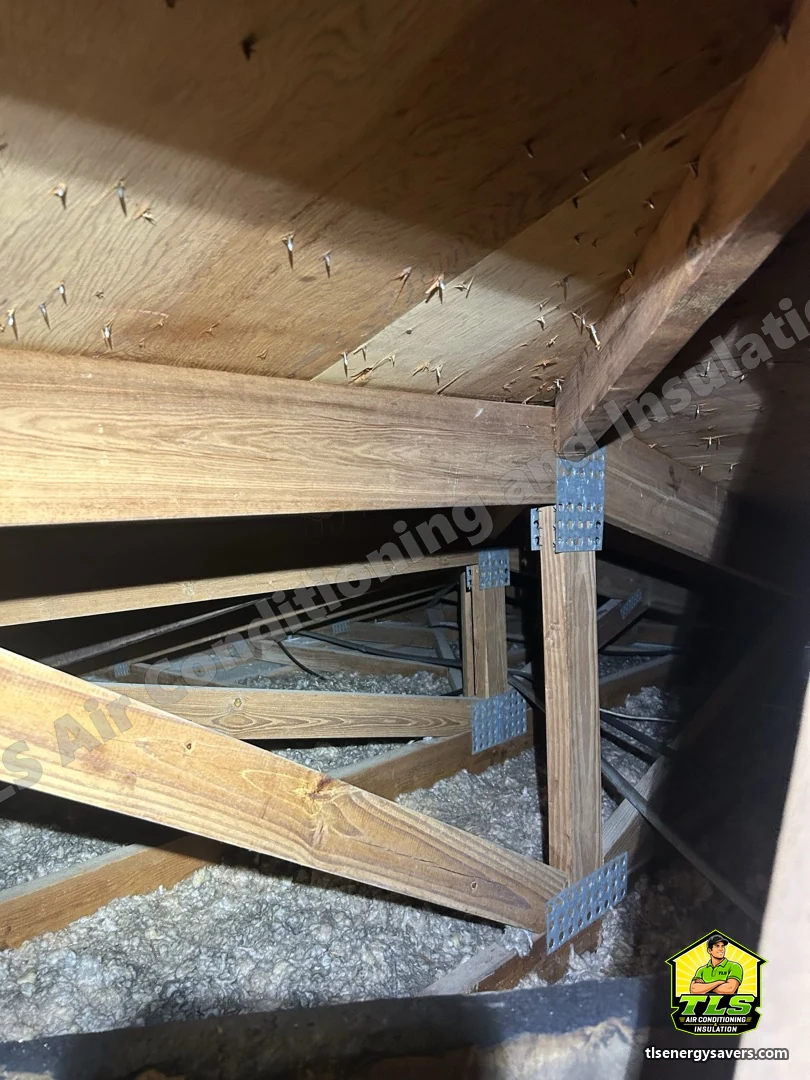
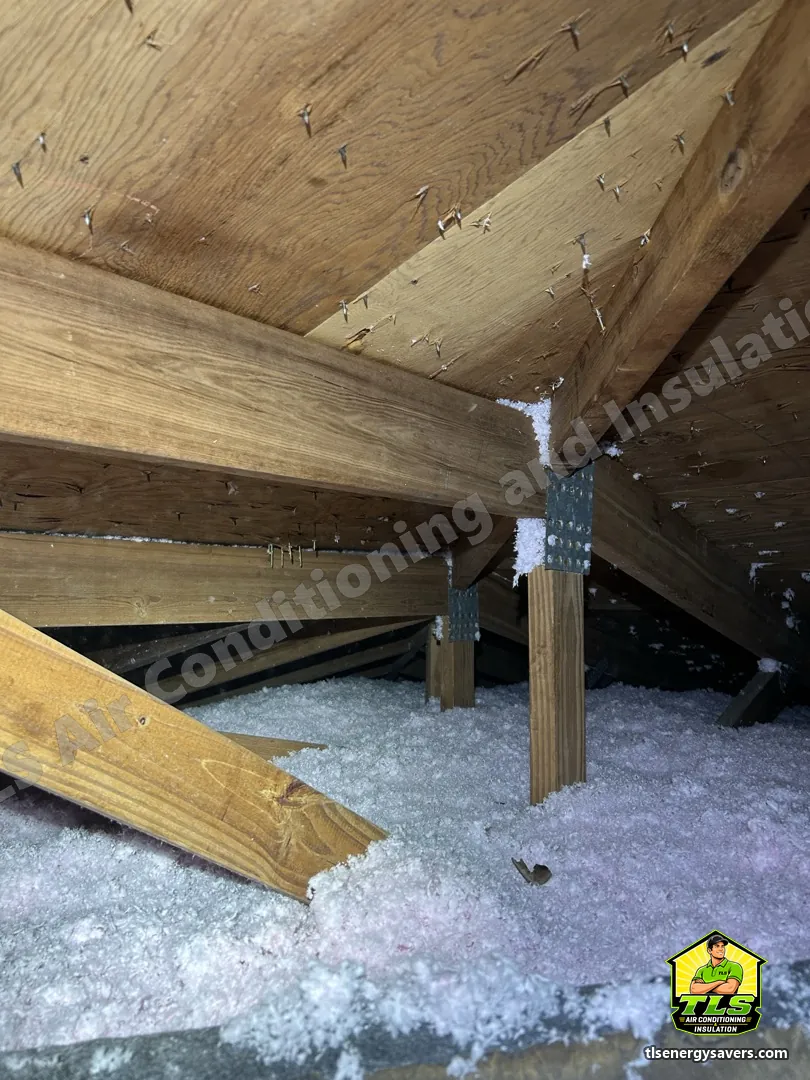
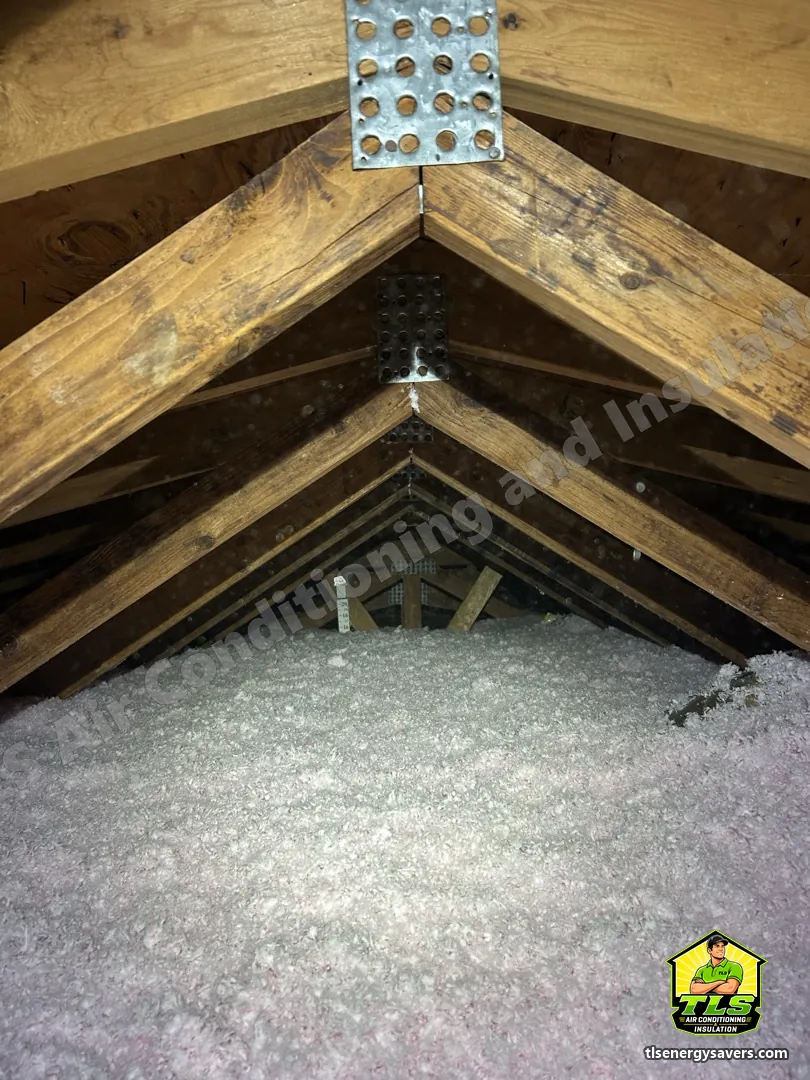
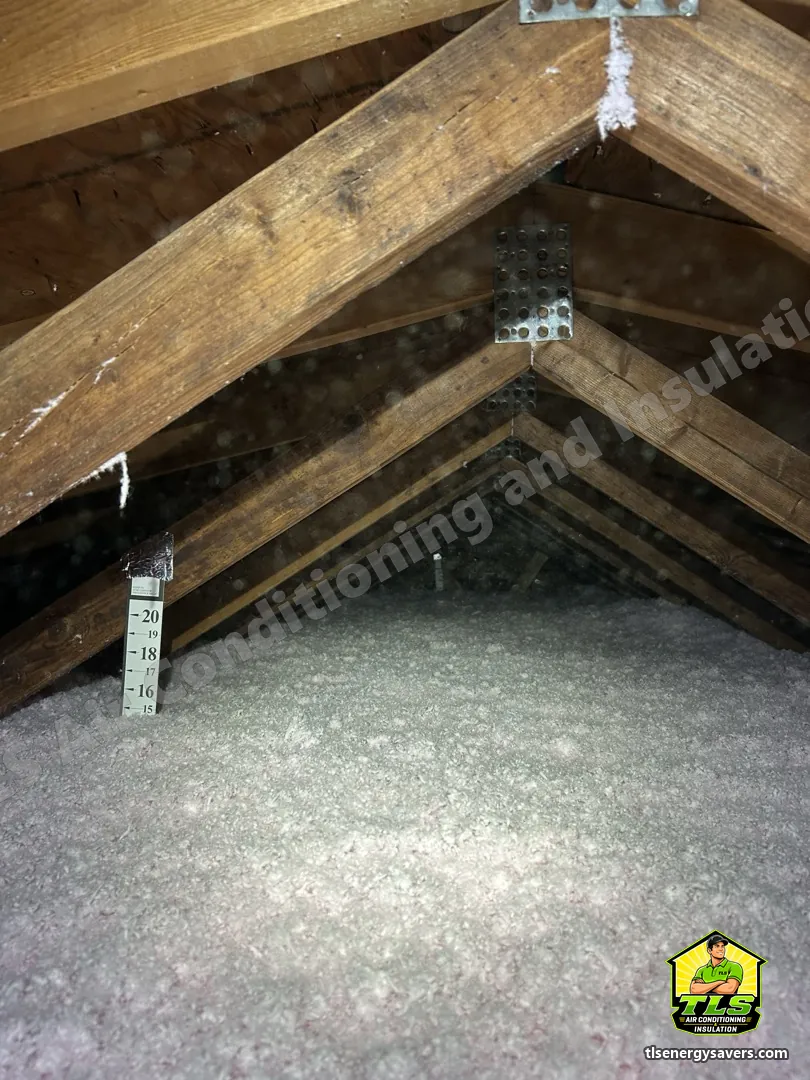
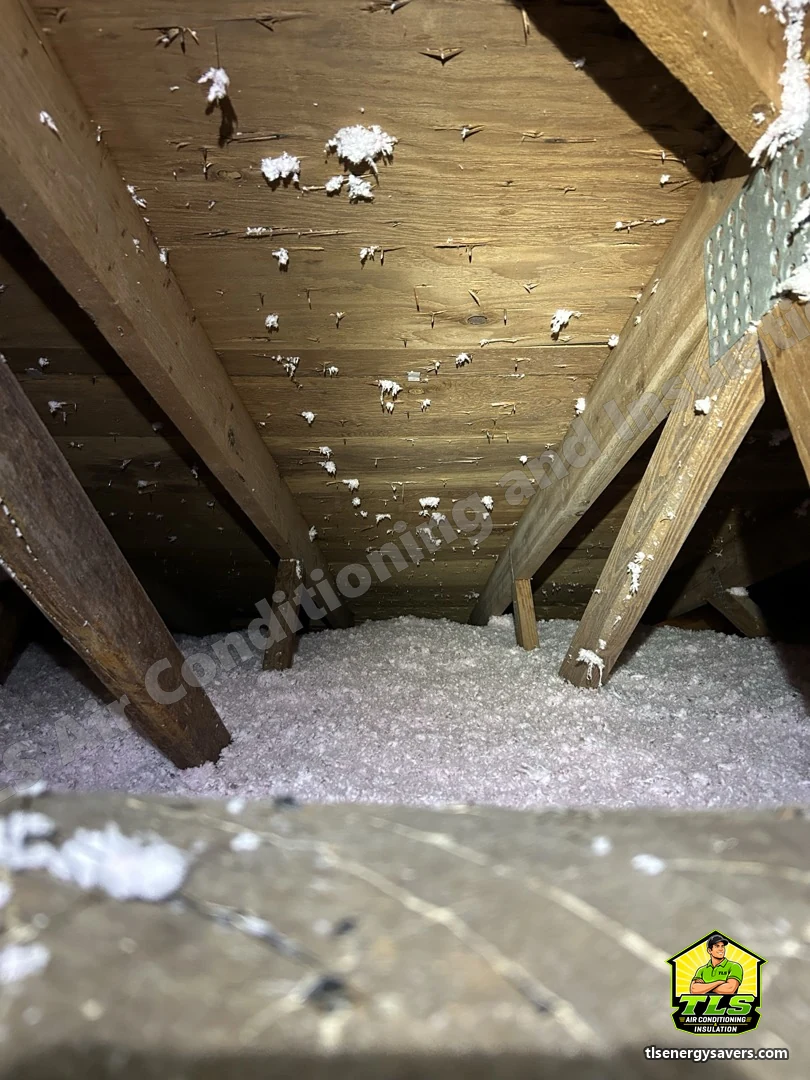
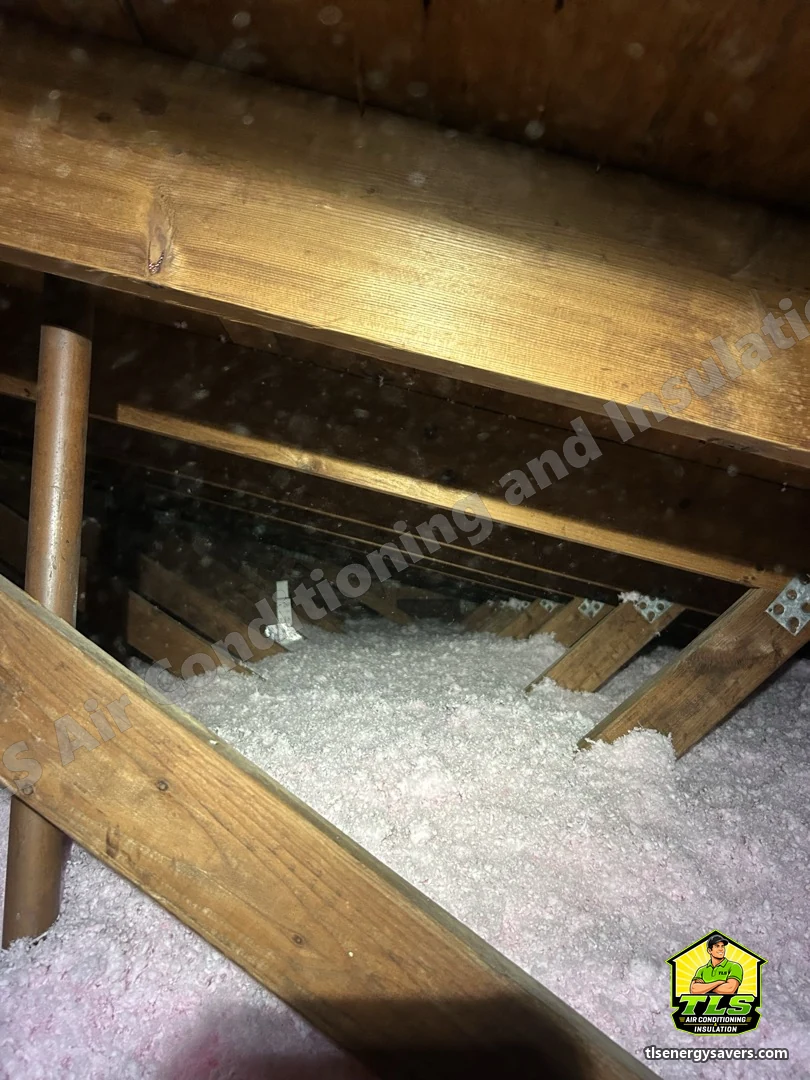
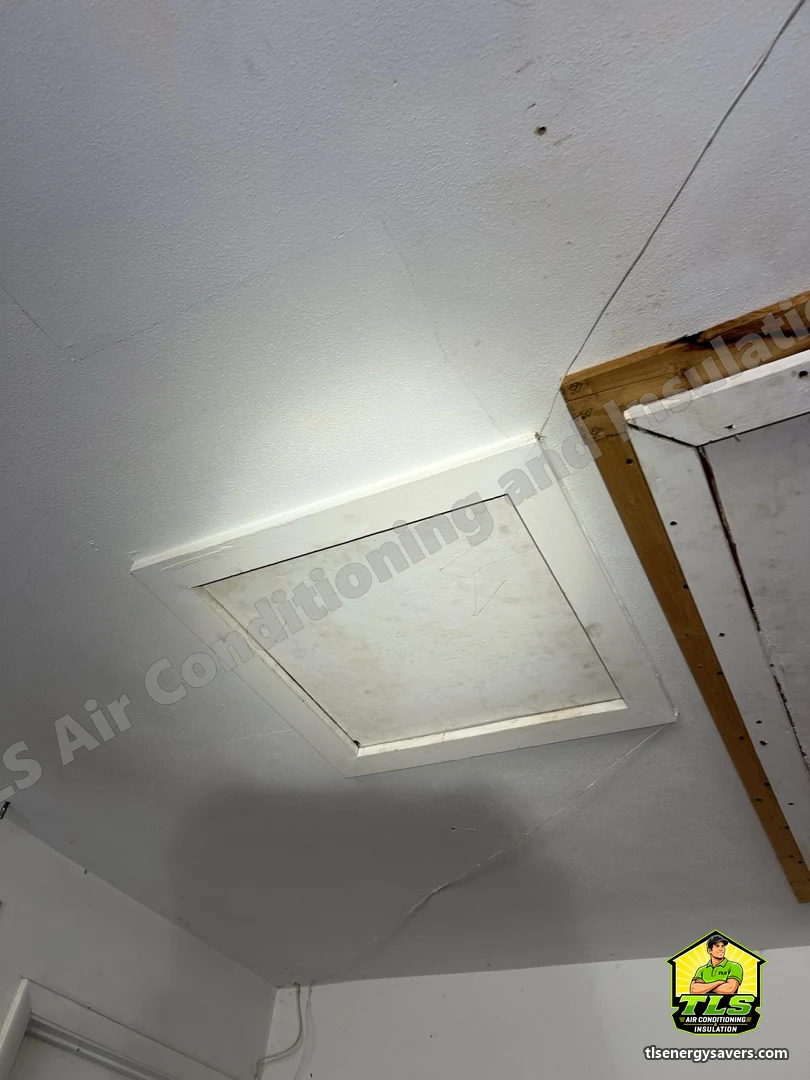
The attic is back at depth, which means the air conditioner stops paying for what the insulation used to do. In a Fort Myers summer that difference shows up as a system that cycles instead of running, and as rooms under the roof that stop being the hot ones.
It is also a job that does not need doing again for a long time. Blown-in settles slowly — the reason this attic needed attention is that it had been left alone for two decades, not that anything went wrong.
If you have never been up there, that is the normal answer, and it is exactly why these top-ups get missed. The quickest way to know is to look at the depth against the top of the joists: if the insulation is level with them or below, it is short.
Almost nobody does. We will go up, measure it against the joists, and tell you whether it is worth topping up or whether it is fine as it is.