

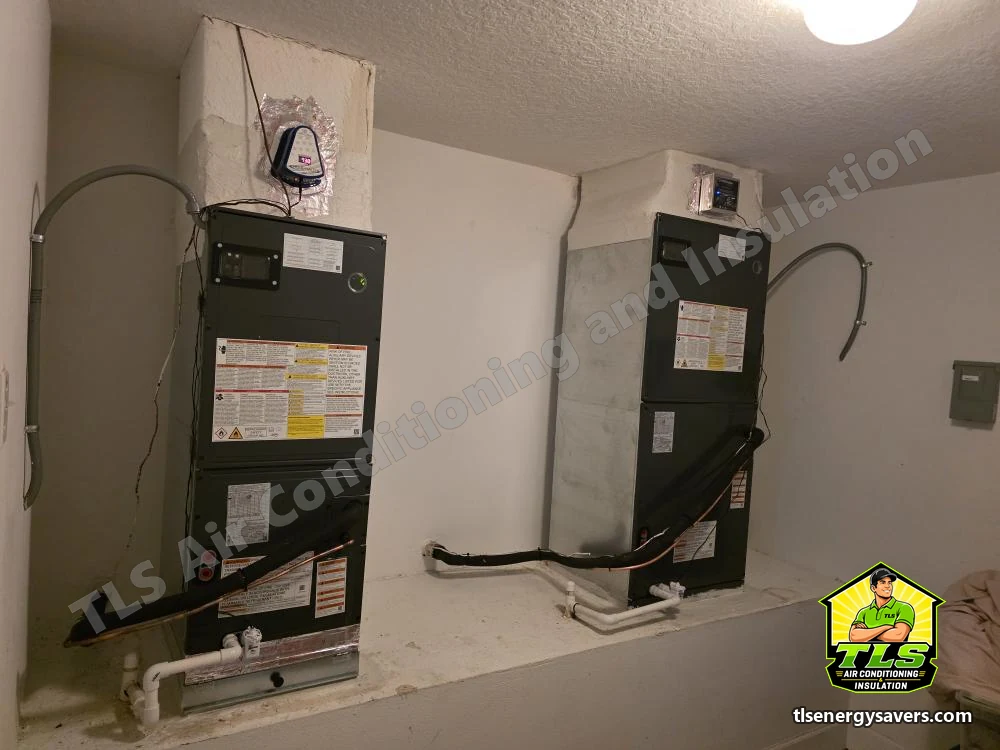
Two air conditioning systems, both past fifteen years, sharing one closet. Both came out and both were replaced — and what was hiding behind them turned out to matter as much as the equipment itself.
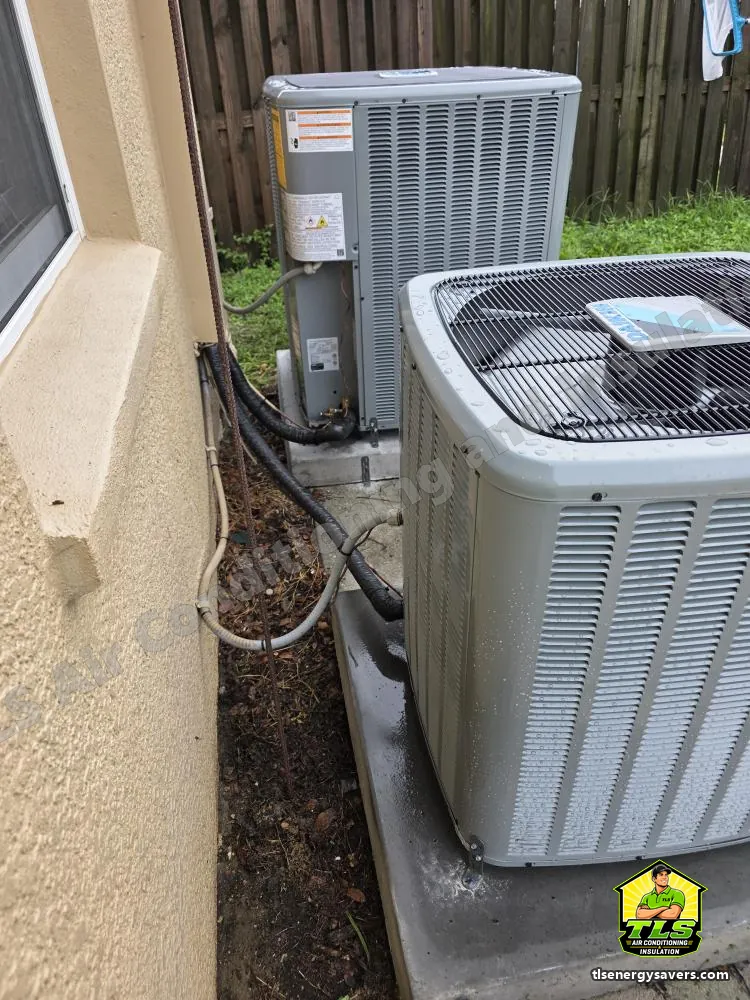
Two systems, both original to the house, both past fifteen years. At that age the question stops being whether they will be replaced and becomes when, and whether it happens on a schedule or on the hottest afternoon of the year.
Replacing both at once is the decision most people put off, because it is one large number instead of two smaller ones spread out. It is also the cheaper way to do it: one crew, one set of permits, one disruption, and one warranty date to remember instead of two.
The equipment was the expected part. What was behind it was not.
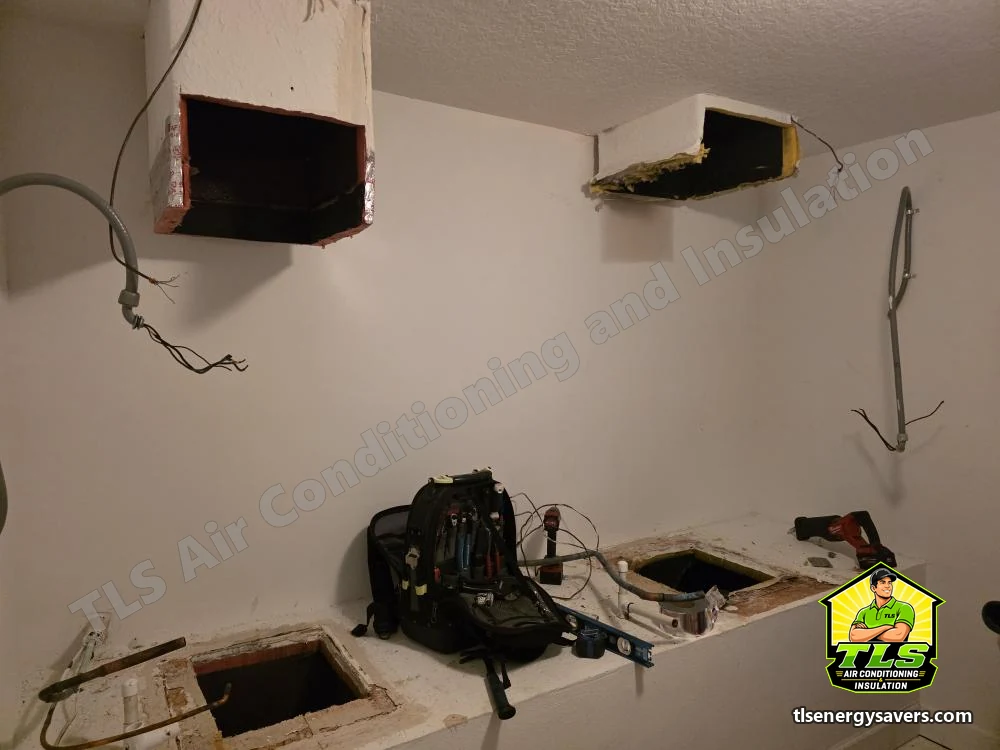
Once the old air handlers came out, the return openings underneath them were exposed for the first time in fifteen years — and both were corroded and water-stained. That is the signature of a condensate problem that had been running quietly for a long time, wetting the same spot over and over without ever showing itself inside the house.
This is the argument for replacing rather than repeating repairs on old equipment. Nobody would have seen this while the system was still bolted in place. It only becomes visible on the one day the closet is empty, which is the same day it can be dealt with properly.
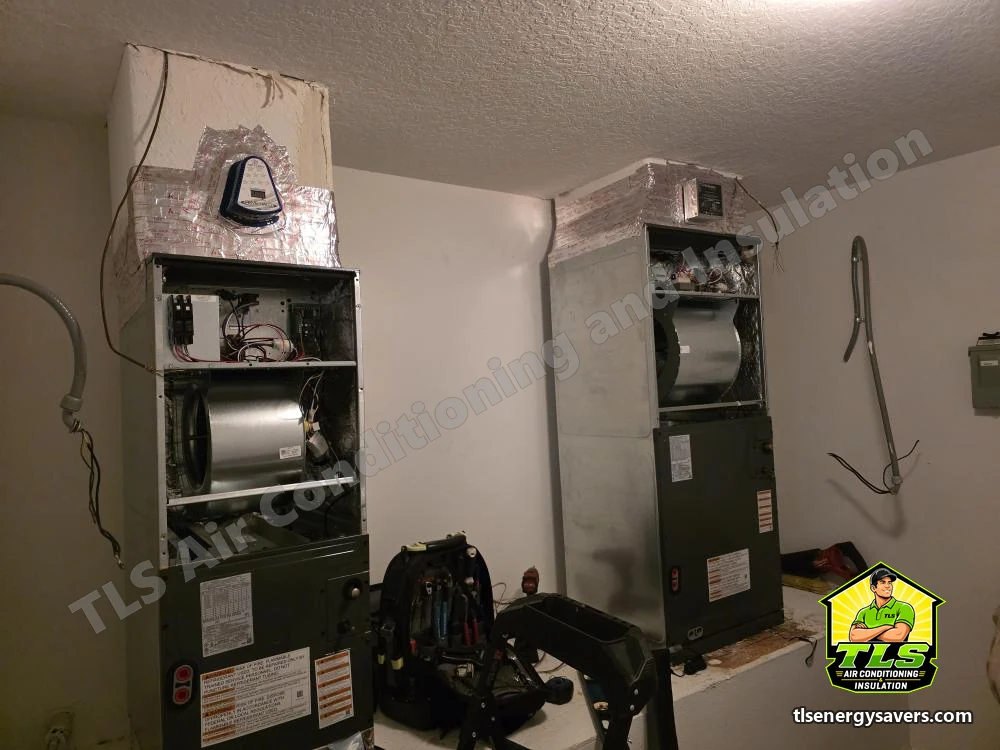
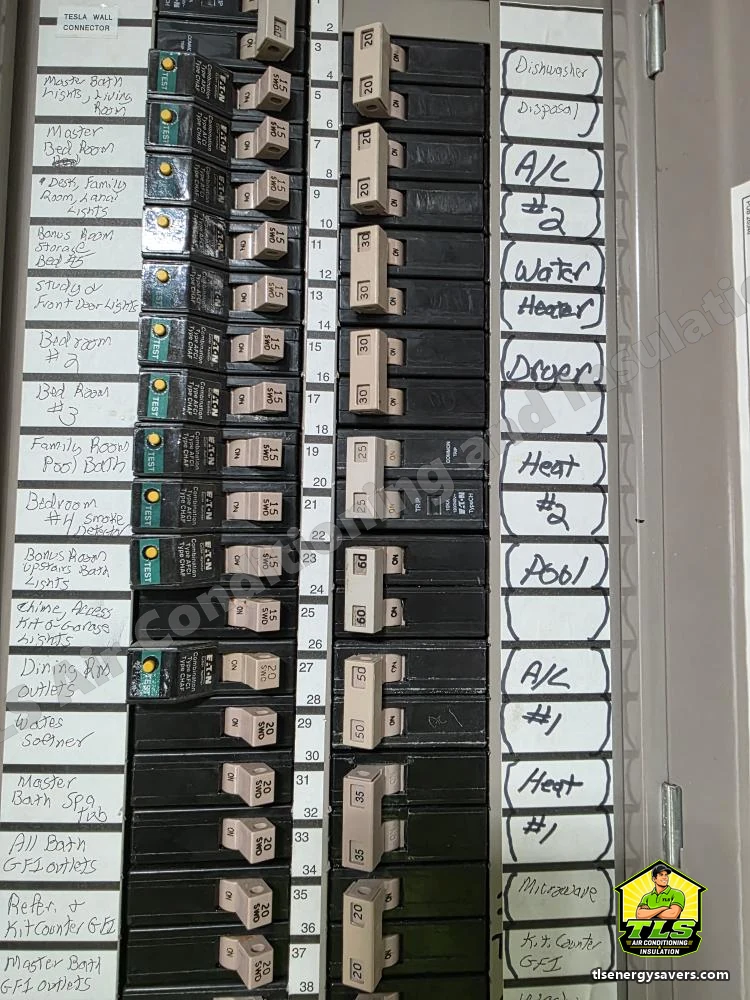
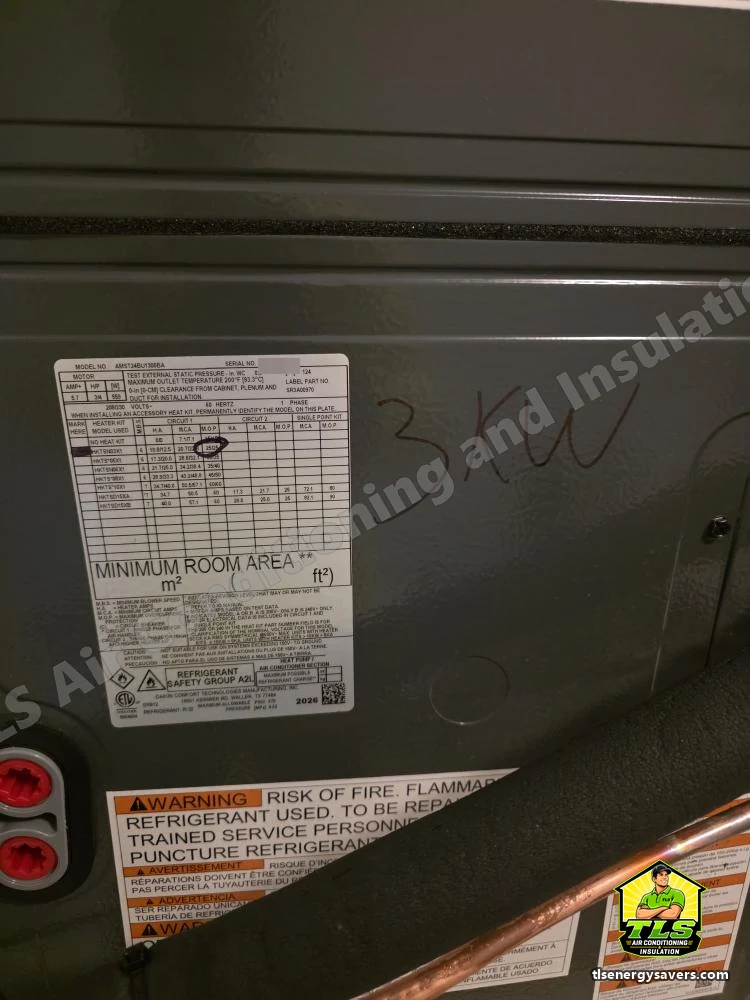
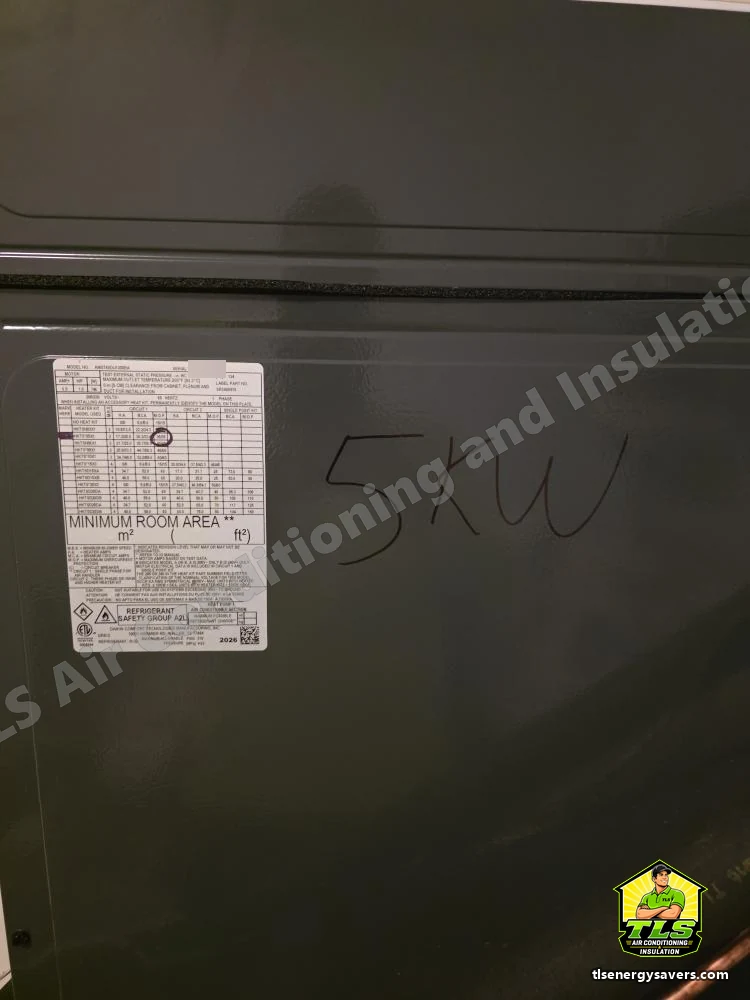
The second thing worth noting: the two systems are not the same size. The data plates show one air handler set up with a 3 kW heat kit and the other with 5 kW. They serve different parts of the house with different loads, and they were sized separately rather than being matched to each other for convenience.
Two days on site, split across two visits so the house was never left without cooling overnight.
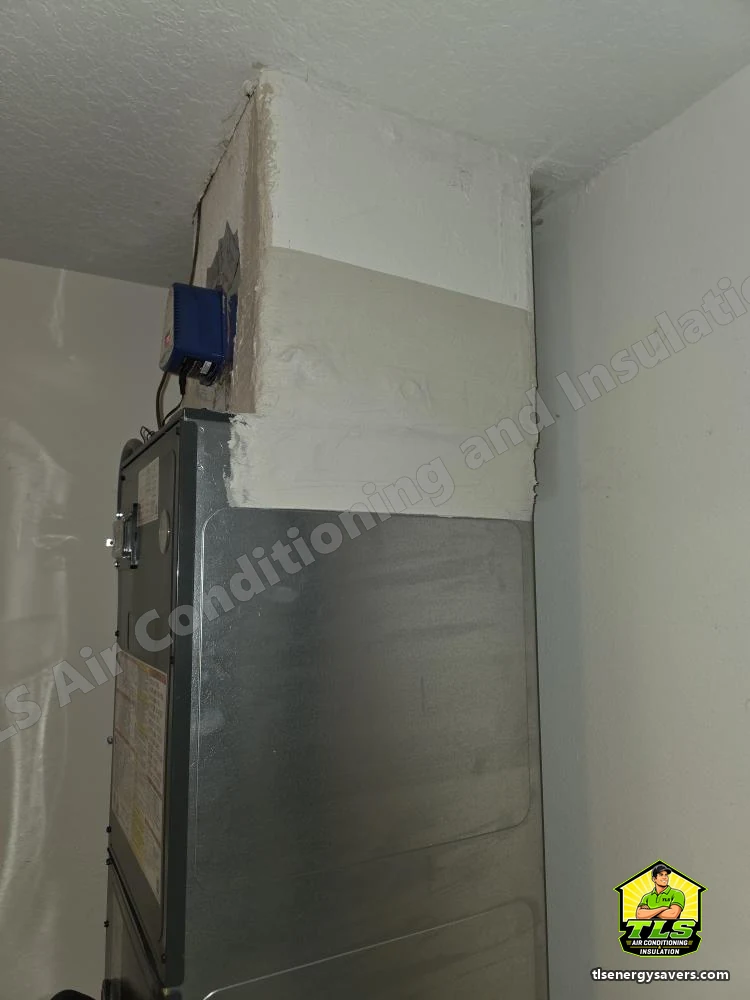
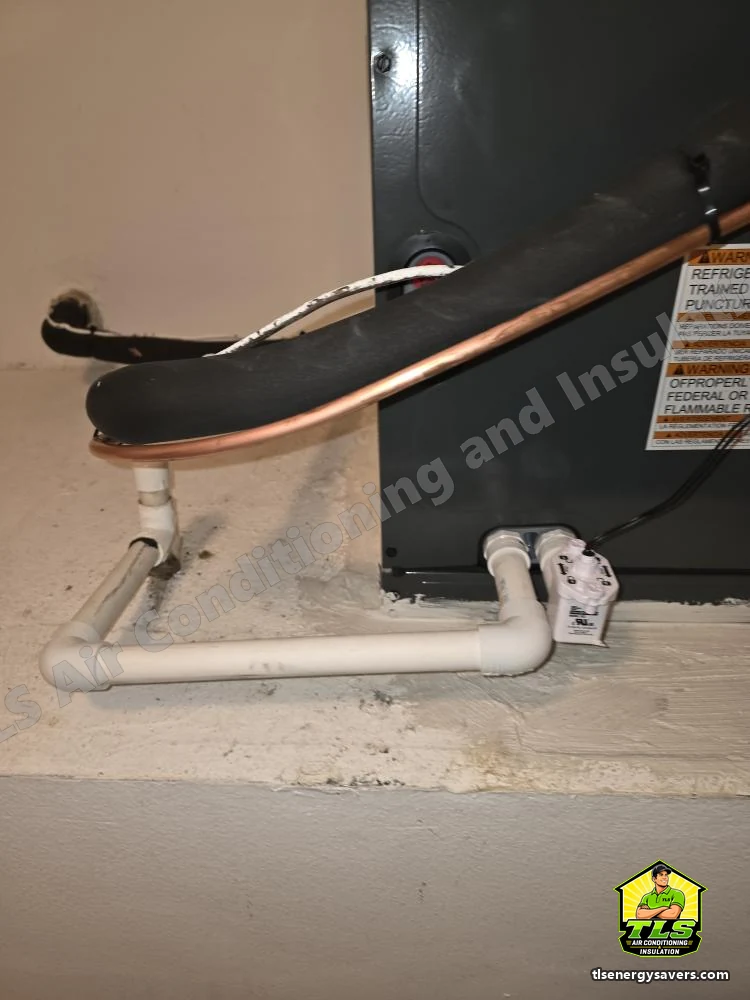
The float switches deserve a line of their own. They are inexpensive, they sit in the drain path, and they shut the system down before an overflow reaches a ceiling. Given what the old return openings looked like, they are the part of this job most likely to pay for itself.
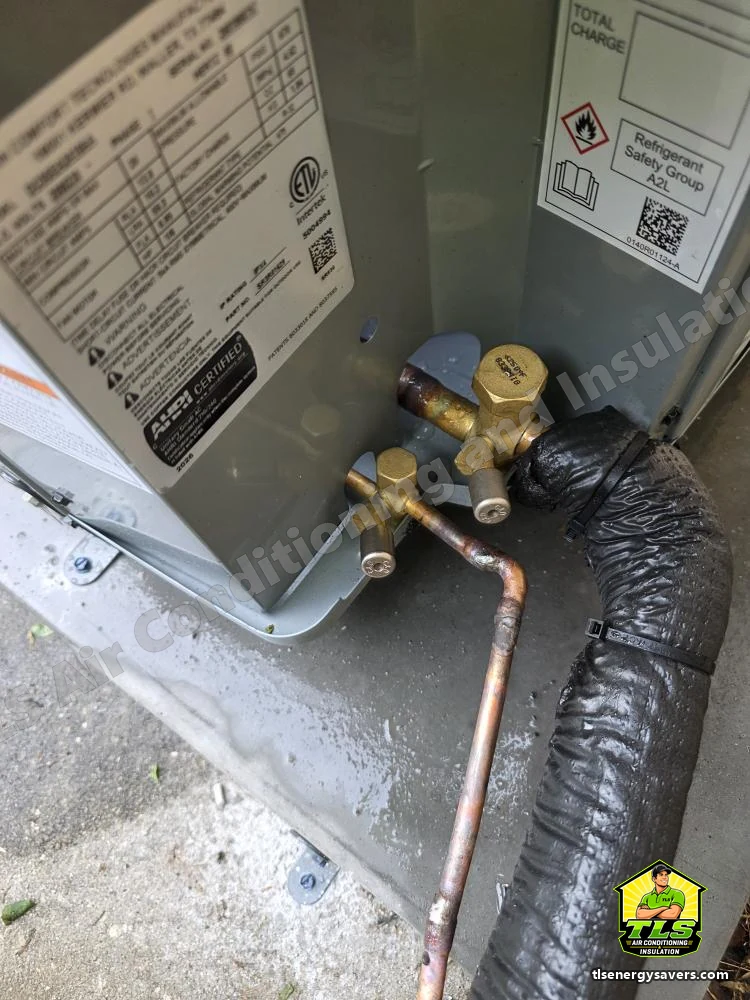
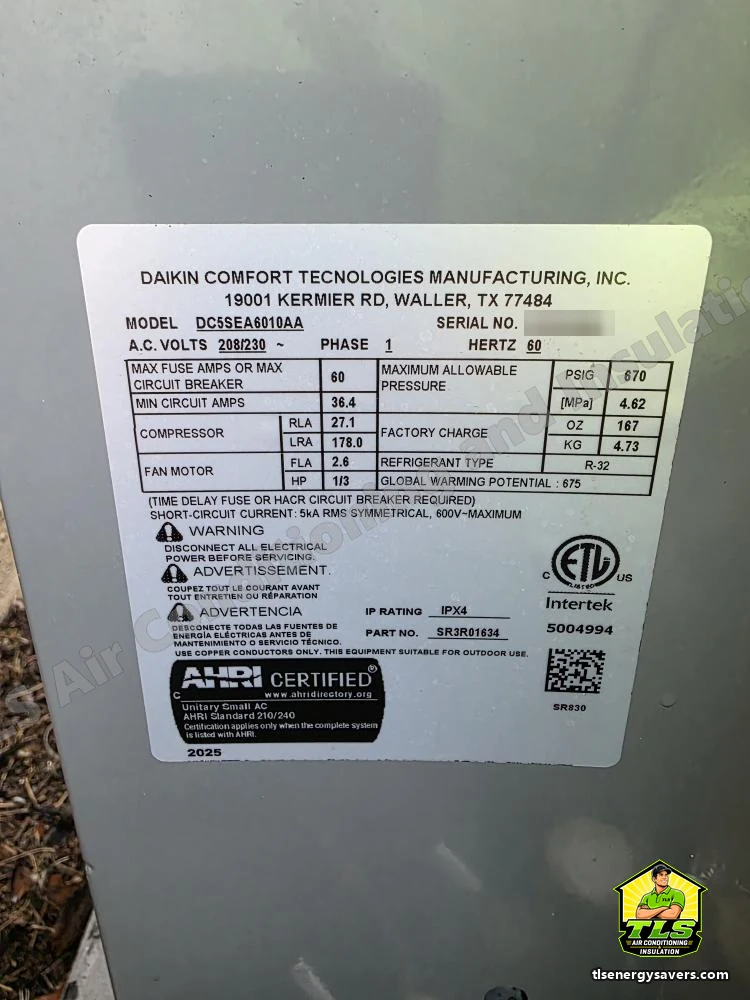
The new equipment runs on R-32 — the lower global-warming-potential refrigerant the industry is moving to. A system going in today is being built around the refrigerant that will still be supported and supplied in fifteen years, which is not something that could have been said for what came out.
Eighteen photos taken on site in July 2026 across both days. Click any photo to open it full size. Homeowner details have been removed and equipment serial numbers are redacted; the neighbourhood and ZIP have not been.
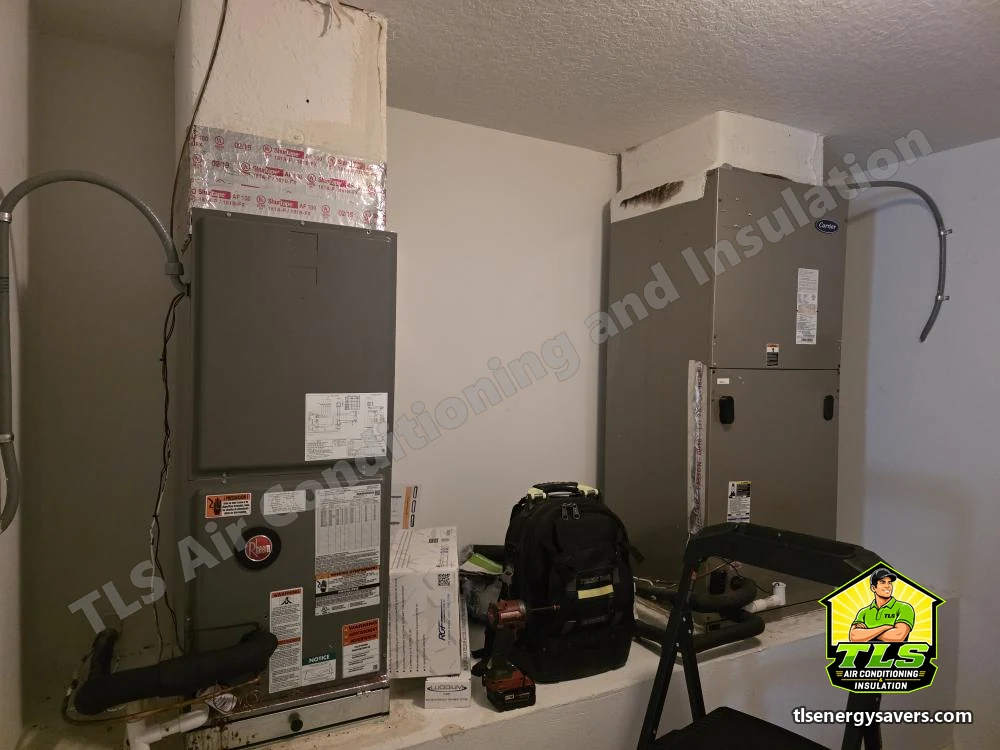
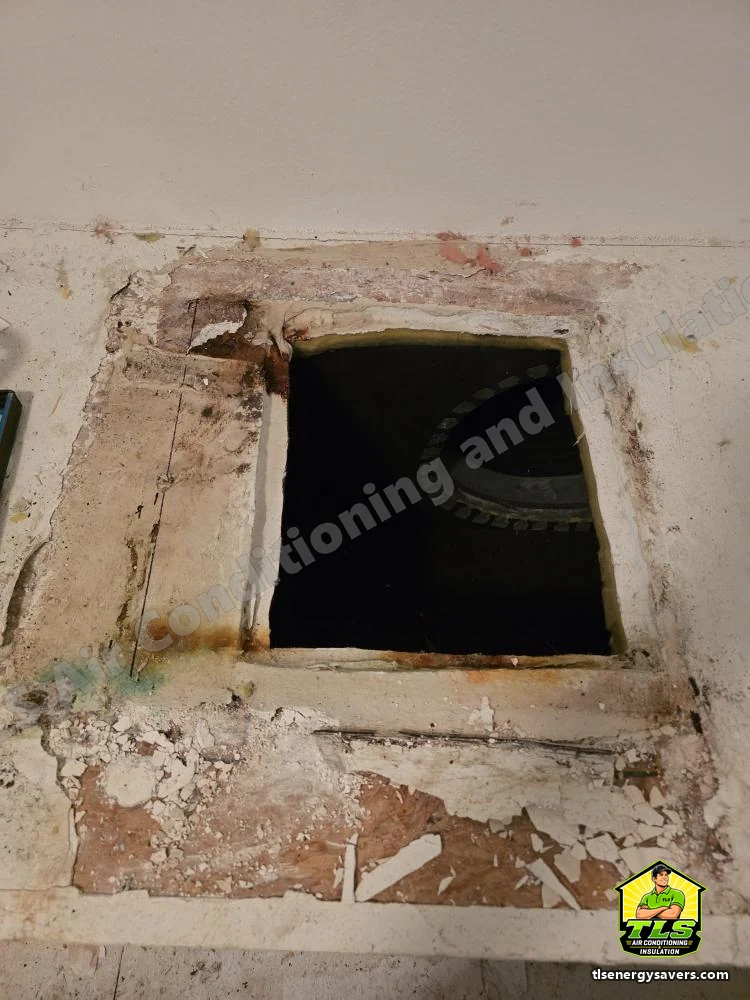
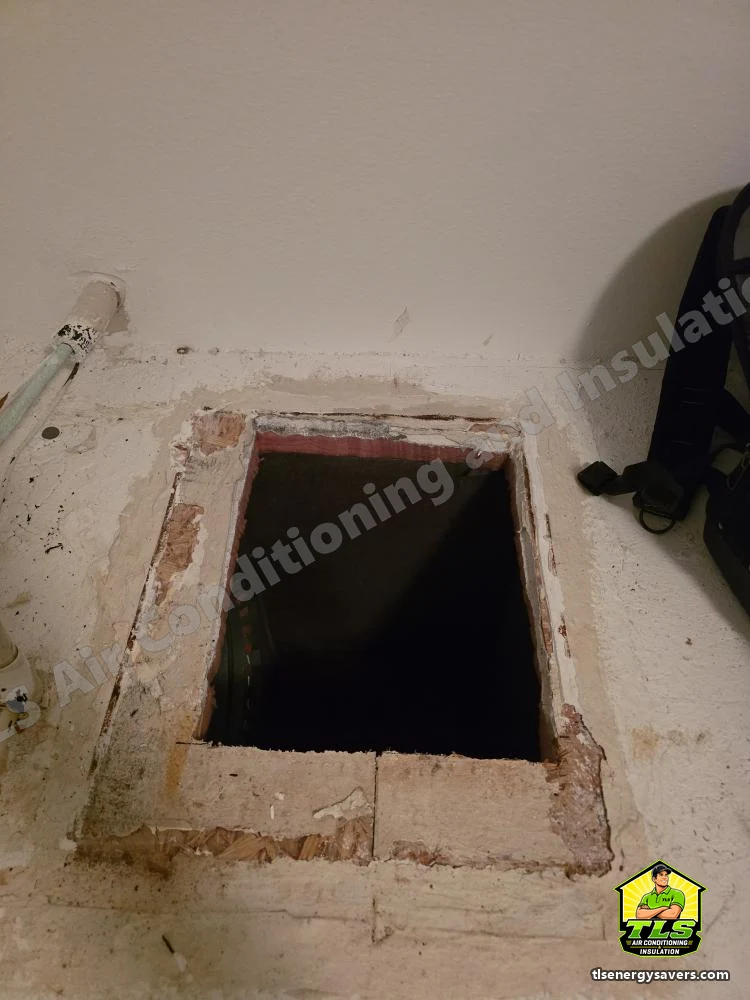
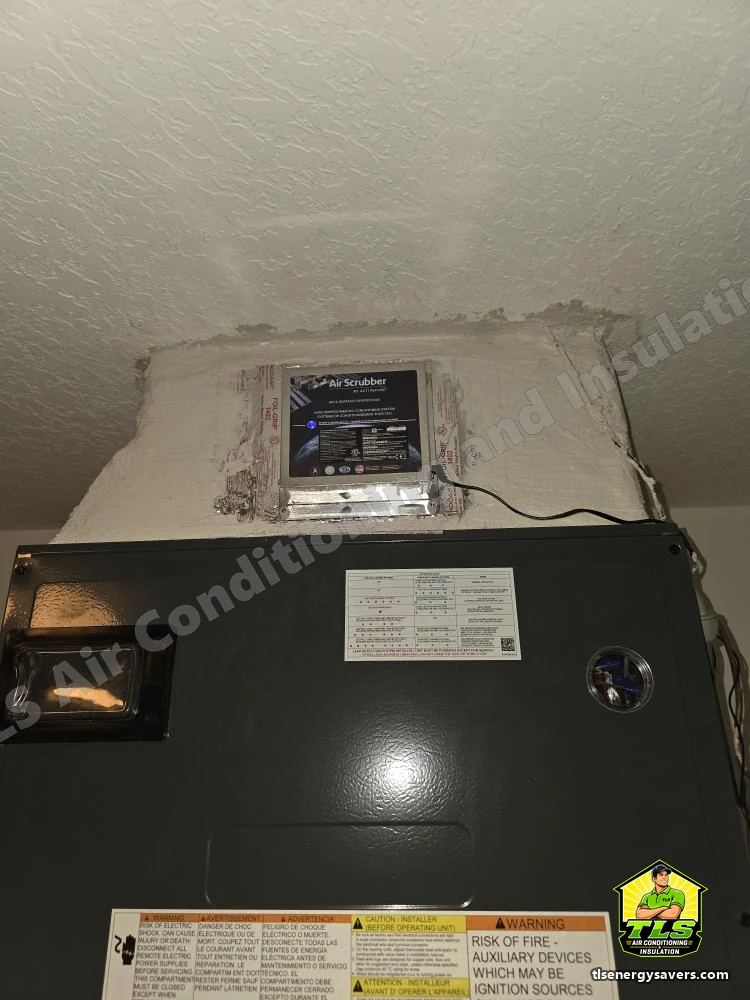
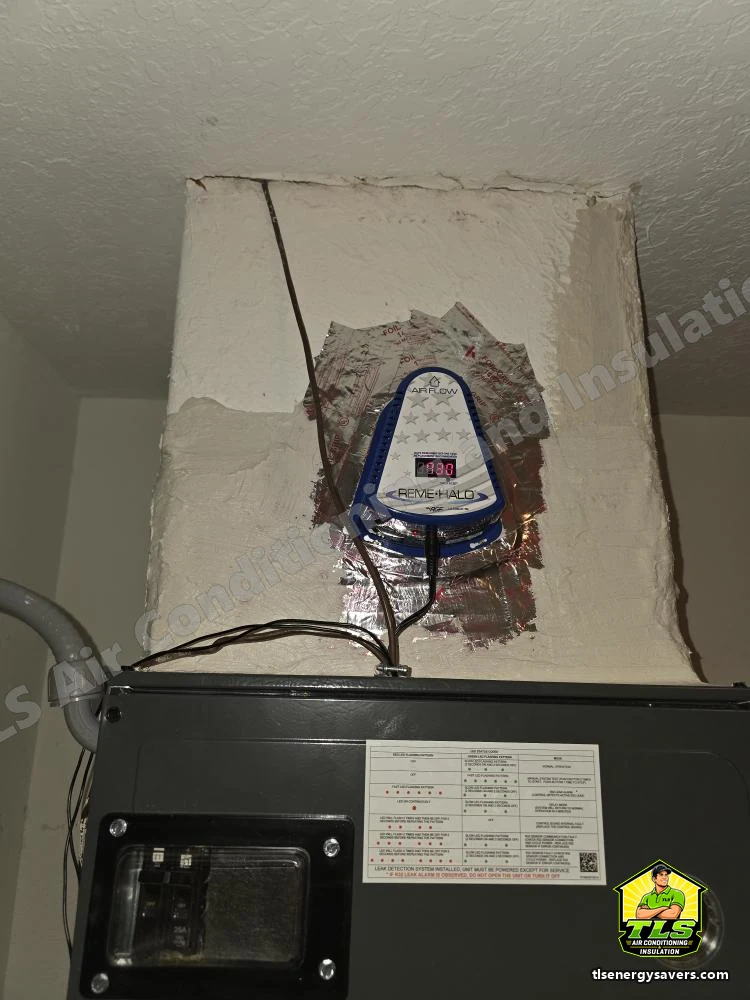
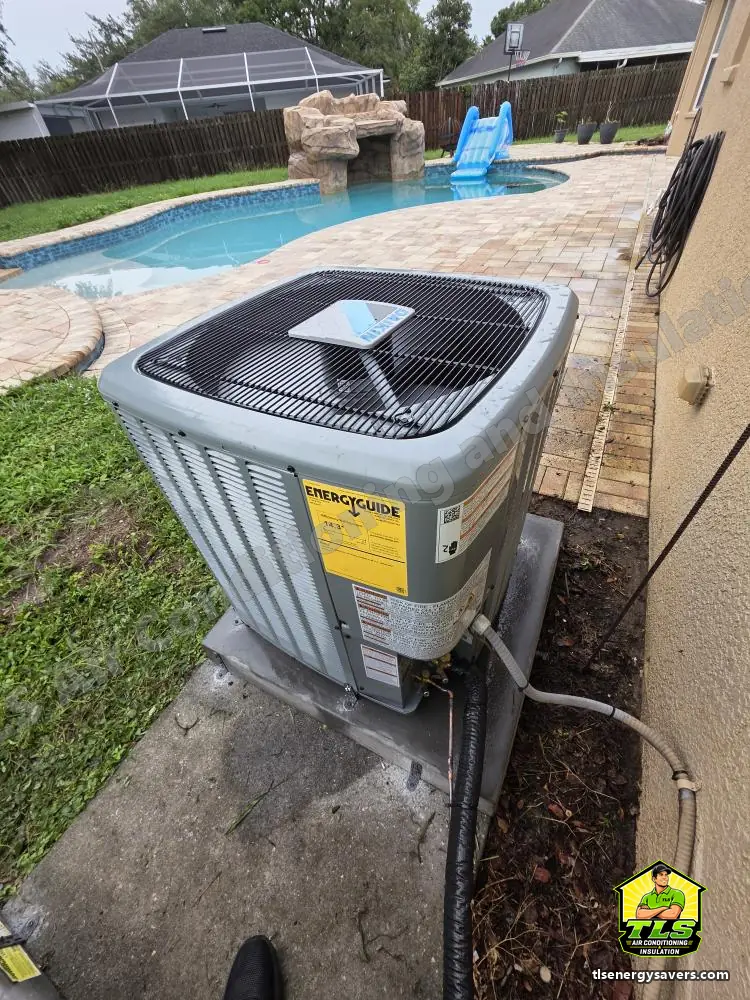
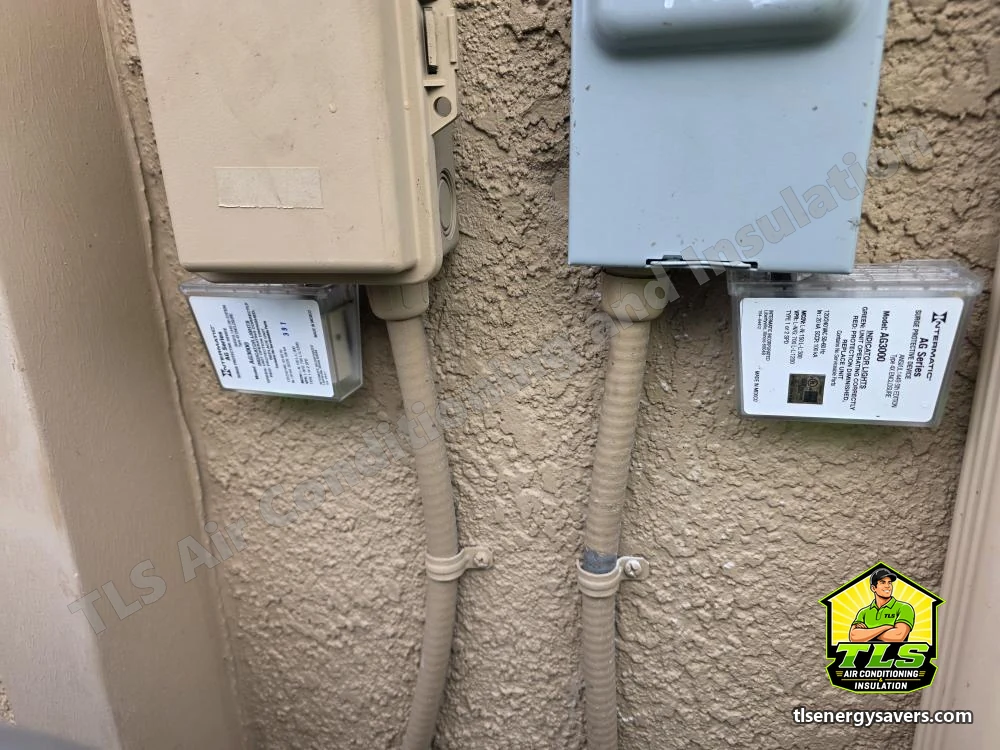
Two systems that were both running on borrowed time are now both new, both under warranty from the same date, and both sized for the part of the house they actually serve.
The quieter win is the one behind the equipment. The condensate problem that had been staining those return openings for years is now sitting behind new drain connections and two float switches that will cut the system before water reaches a ceiling. That failure has been designed out rather than waited on.
If your own system is somewhere past twelve years and you are weighing repair against replacement, the honest answer depends on what a technician finds when they look — and on this job, the important part was not visible until the closet was empty.
We will look at what you have, tell you what it is likely to cost you to keep it, and let you decide. No pressure to replace anything that still has life in it.